Radon in the Workplace
Workplace radon is a serious health concern. Under the Occupational Health & Safety Act, employers in Ontario have a general duty to protect workers from radon exposure. Testing is the only way to know if radon levels are elevated. If measured radon exceeds the guideline of 200 Bq/m³, mitigation is strongly advised. Employers should include radon in their hazard-assessments, implement a monitoring programme, and take corrective action when necessary.
Ontario Building Code 332/12.
Ontario Building Code (O. Reg. 332/12) – Key Reference
This regulation sets out the technical construction requirements for buildings in Ontario under the Building Code Act, 1992. It outlines compliance, objectives (such as safety, health, accessibility, energy and environmental conservation), and functional statements for building design and construction. Ontario Although O. Reg. 332/12 was repealed on January 1, 2025, its provisions still underpin many current building-permit and inspection practices. Ontario For radon mitigation, this means new homes must follow code-mandated soil-gas and air-barrier requirements to help protect against radon infiltration.
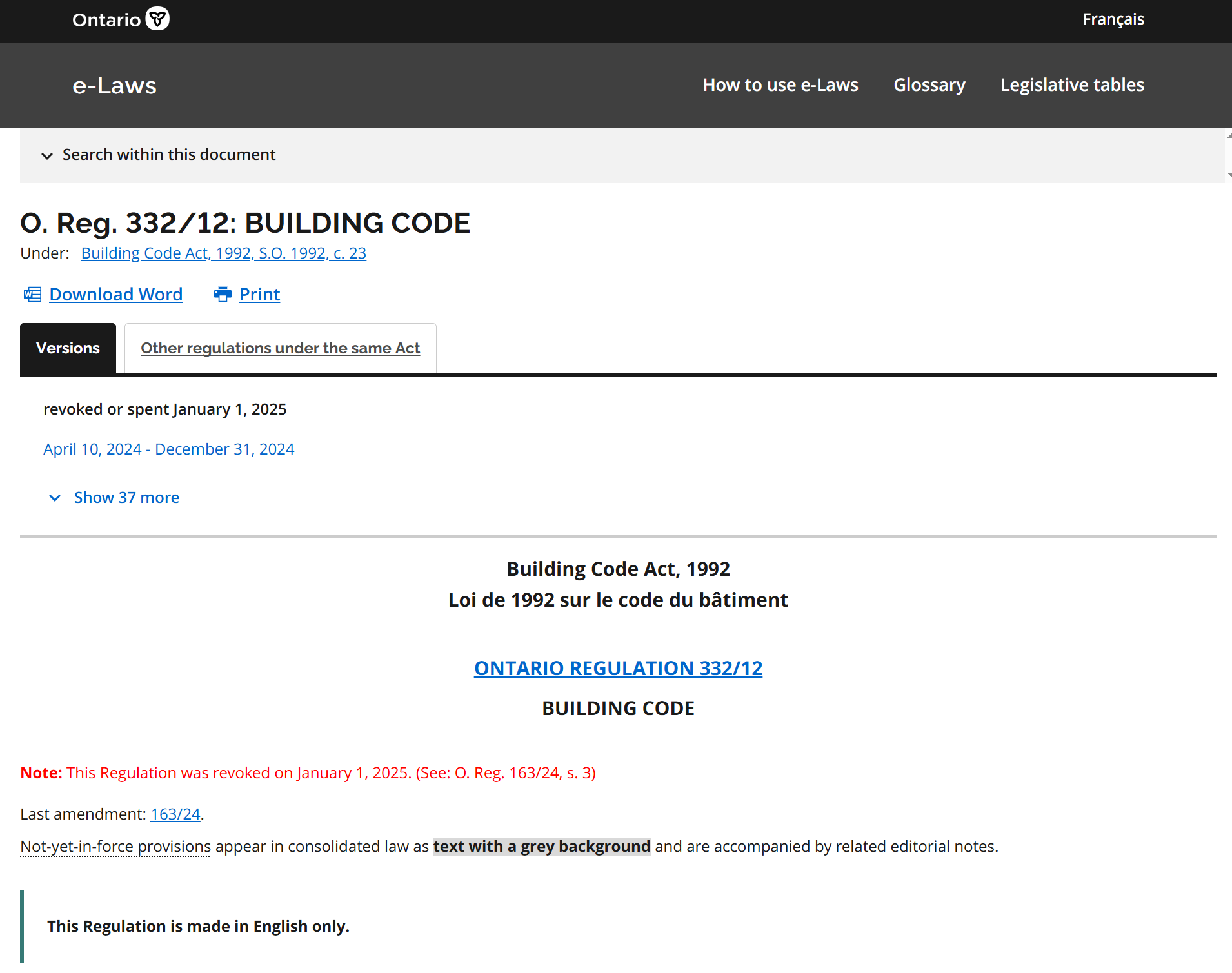
Lung Cancer Risk from Radon in Ontario, Canada
In Ontario, about 13.6% of lung cancer deaths - approximately 847 per year - are attributed to indoor radon exposure. PubMed+1 Remediating homes with radon levels above 200 Bq/m³ could prevent roughly 91 deaths annually, while reducing levels above 100 Bq/m³ could avert about 233 deaths each year. The vast majority (~84%) of these radon-related deaths occur among individuals who have ever smoked. The study highlights that radon exposure below the current guideline still poses a significant risk, underscoring the need for widespread testing and mitigation in all homes. PMC
The Prevalence of High Residential Radon in Thunder Bay, Ontario
In a local study in the City of Thunder Bay, 16% of homes tested exceeded the guideline of 200 Bq/m³ for radon. Thunder Bay District Health Unit Some city wards showed particularly high rates - one exceeded 40% of homes above that level. Thunder Bay District Health Unit The results demonstrate that large geographic variation exists even within the same municipality, making it essential that every home be tested - regardless of neighbourhood. Since high radon carries a lung-cancer risk, households should deploy a long-term detector (3+ months) and mitigate if levels exceed the guideline.
Guelph Radon Mitigation Program
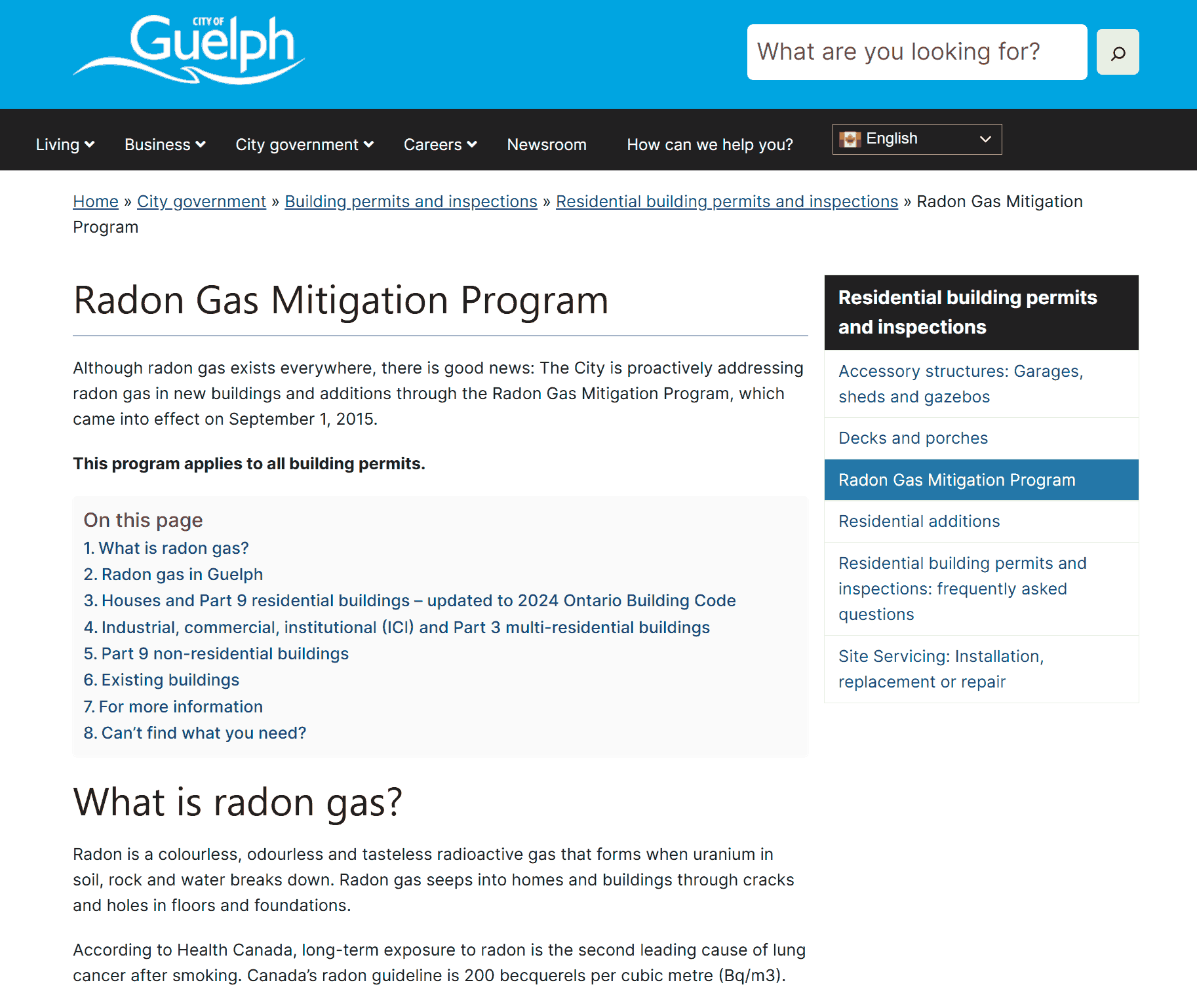
Radon & Building Permits in Guelph
At the City of Guelph, new residential construction must comply with the Ontario Building Code’s soil-gas and radon mitigation requirements. Canada Projects requiring a building permit include those with radon mitigation system installations or active soil-gas control features. City of Guelph A dedicated “Radon Certification Form” must be submitted upon completion to verify compliance. City of Guelph This ensures new homes in Guelph are built to minimize radon risk from the ground up.
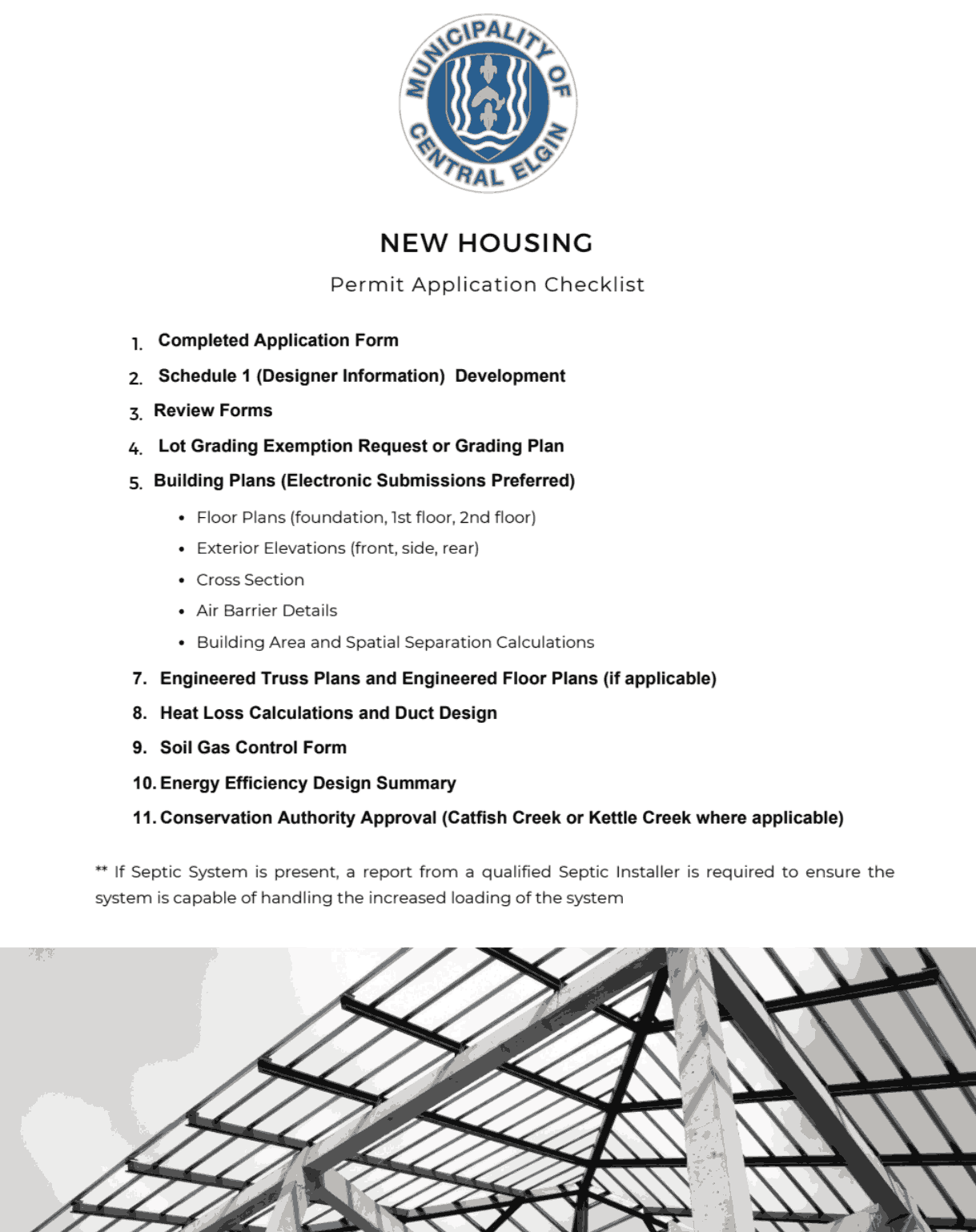
Central Elgin Radon Mitigation Program
Ontario New Housing Permit Requirements
To obtain a building permit for new housing in Ontario, applicants must submit a complete permit package, including the Application to Construct or Demolish, Designer Information (BCIN), Development Review Form, Lot Grading Plan, Building Drawings, and Soil Gas Control Form following the Ontario Building Code. Energy efficiency and air barrier details must comply with SB-12 and SB-9 standards. A security deposit (up to $1,000) ensures project completion. Builders must also verify Tarion Warranty registration for new homes. Incomplete applications are rejected and must be resubmitted for permit approval.