
A Brief History of RADON Discovery & Health Impact

1890–1910s – Discovery and Early Research
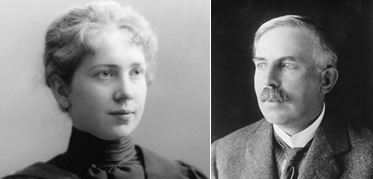
RADON was first identified in 1899 at McGill University (Quebec, Canada) by Ernest Rutherford, Harriet Brookes, and Robert Owens, who described it as “radium emanation.” Their pioneering research on radioactive decay laid the foundation for understanding RADON’s properties and behaviour in nature.
1940–1970s – RADON in Mining and Worker Health
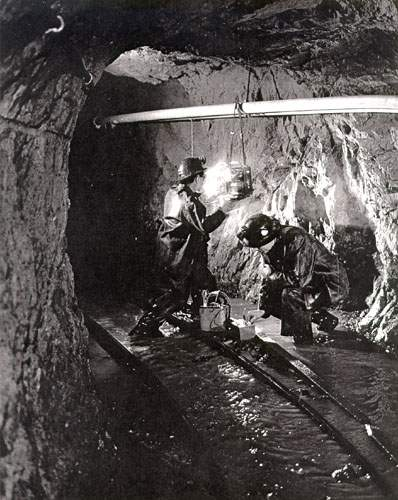
By the 1940s, scientists such as Dr. Wilhelm C. Hueper of the U.S. National Cancer Institute recognized RADON as a serious occupational hazard.
Studies on uranium miners in Canada, East Germany, and Czechoslovakia confirmed a strong link between RADON exposure and lung cancer, providing the first clear evidence that RADON is carcinogenic to humans.
1980s – Residential RADON and the Watras Incident
In 1984, U.S. engineer Stanley Watras unknowingly triggered a radiation alarm at work due to extremely high RADON levels (≈ 99,900 Bq/m³) in his home. This discovery led to widespread residential testing and the development of modern mitigation systems, revealing that RADON is not only a workplace issue but a home health concern.

1988 – Official Cancer Classification
The World Health Organization’s International Agency for Research on Cancer (IARC) classified RADON and its decay products as Group 1 carcinogens, confirming that RADON exposure causes lung cancer in humans.
1990s–2000s – Large-Scale Population Studies
Major European, North American, and Chinese studies involving thousands of participants demonstrated a 16% increase in lung-cancer risk per 100 Bq/m³ of long-term RADON exposure. These findings cemented RADON as a leading cause of lung cancer after smoking, and the most preventable environmental cancer risk in many countries.